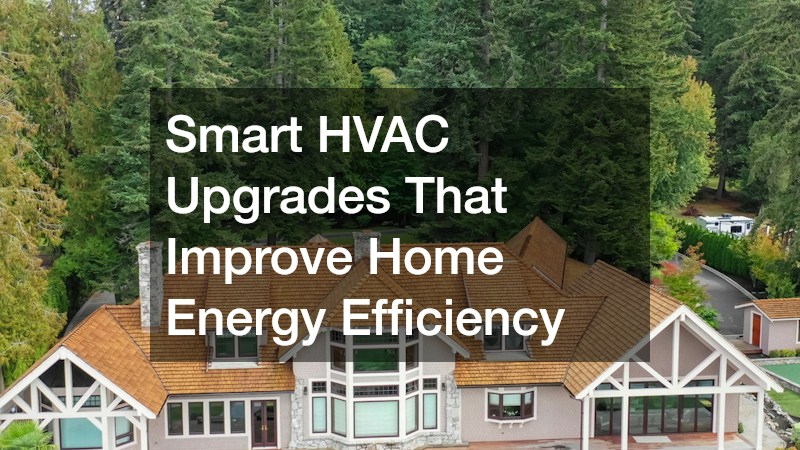
Heating and cooling systems play a major role in both home comfort and monthly energy use. When equipment is outdated, poorly sized, or operating with hidden problems, homeowners may spend more than necessary just to keep indoor temperatures comfortable.
Improving efficiency does not always mean replacing everything at once. In many homes, the biggest gains come from correcting performance issues, improving airflow, adjusting how different rooms are conditioned, and choosing equipment that better matches the home’s actual needs. A newer system can certainly help, but even highly efficient equipment may underperform if it is installed incorrectly or paired with poor ductwork, air leaks, or inadequate insulation.
The smartest approach is to look at the home as a complete comfort system. That includes the equipment itself, thermostat settings, airflow, insulation, room layout, humidity, and how consistently each area of the house is used.
By identifying where energy is being wasted and choosing upgrades that solve specific problems, homeowners can improve comfort while reducing unnecessary operating costs. The following strategies can help you decide where improvements are most likely to make a meaningful difference.
Fix Performance Problems Before Investing in New Equipment
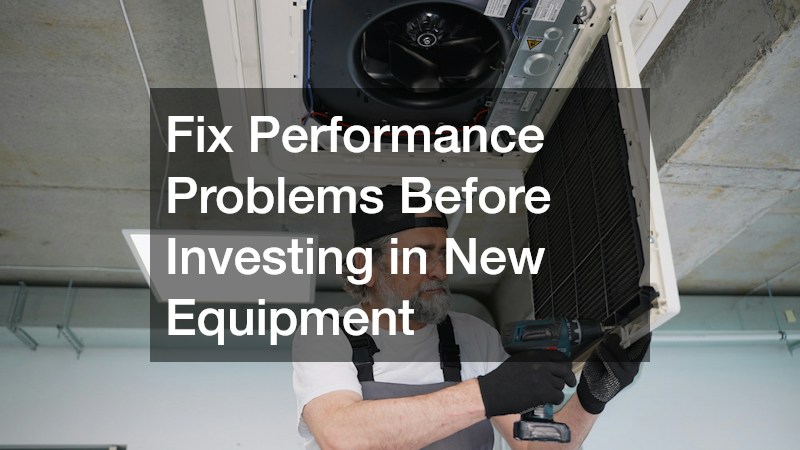
Before assuming your cooling system needs to be replaced, determine whether an existing problem is causing it to operate inefficiently.
A system that once cooled the home comfortably but now runs almost constantly may have a maintenance or mechanical issue rather than being fundamentally undersized. Replacing equipment without identifying the underlying problem could mean spending thousands of dollars unnecessarily.
Some common causes of reduced performance include:
- Clogged air filters
- Dirty evaporator or condenser coils
- Weak blower motors
- Failing capacitors
- Thermostat problems
- Restricted airflow
- Refrigerant leaks
- Clogged condensate drains
- Damaged ductwork
- Blocked return vents
Changes in energy use can provide an early warning sign. If your utility bills increase significantly even though weather and thermostat settings have remained similar, the system may be working harder than it should.
Watch how long the equipment runs during a typical cooling cycle. Longer cycles are not automatically bad, but a sudden change in operating time can indicate that something is affecting performance.
Other warning signs include unusual noises, inconsistent temperatures, excessive indoor humidity, and weaker airflow from supply vents.
An ac repair service can help identify whether a specific component is reducing the system’s performance. A technician may find that a relatively small repair or adjustment restores much of the lost efficiency.
Homeowners seeking local air conditioning repairs should also ask what caused the problem. Fixing a failed part is useful, but understanding why it failed can help prevent repeat issues.
For example, replacing a damaged blower motor without addressing severely restricted airflow could eventually place similar stress on the replacement.
Ask questions such as:
- Is this normal wear or part of a larger issue?
- Are other components showing signs of stress?
- Could airflow be contributing to the problem?
- Is the system still operating near its expected efficiency?
- Is another major repair likely in the near future?
Repairs often make sense when equipment is otherwise in good condition. However, if breakdowns have become frequent and repair costs are steadily increasing, replacement may deserve serious consideration.
Choose New Cooling Equipment Based on Real Home Conditions
When replacement becomes necessary, equipment sizing is one of the most important factors to get right.
Many homeowners assume that a larger system will cool the house faster and therefore operate more efficiently. In reality, oversized equipment can create its own problems.
A system that is too large may cool the house quickly and then shut off before completing a full cycle. This repeated starting and stopping is known as short cycling. It can increase wear on components and reduce the system’s ability to remove humidity.
An undersized system creates the opposite problem. It may run continuously during hot weather while struggling to reach the desired temperature.
Proper residential air conditioning should be selected based on the actual cooling needs of the home.
Factors that affect system sizing include:
- Total square footage
- Ceiling heights
- Window quantity and orientation
- Insulation levels
- Air leakage
- Number of occupants
- Local climate
- Home layout
- Duct condition
- Solar exposure
A home with large west-facing windows may have very different cooling demands from a similar-size property with heavy shade and upgraded insulation.
Qualified air conditioning contractors should perform a load calculation before recommending replacement equipment. Simply installing the same capacity as the old unit may repeat an existing sizing mistake.
Homeowners should also consider efficiency ratings, but efficiency numbers should not be viewed in isolation. A high-efficiency system that is poorly installed may perform worse than a properly installed midrange system.
Ask how the proposed equipment will perform during both peak conditions and milder weather.
Variable-speed and multi-stage systems can adjust output according to demand rather than operating at full capacity every time they turn on. This may provide more consistent temperatures and improved humidity control.
Before approving installation, ask:
- How was the system size calculated?
- Is the ductwork capable of handling the required airflow?
- Will thermostat upgrades be necessary?
- Are electrical modifications required?
- Does the proposal include removal of existing equipment?
- How does the warranty work?
- What maintenance will be required?
These details can have a substantial impact on long-term comfort and operating costs.
Use Targeted Cooling for Rooms That Never Feel Comfortable
Some comfort problems have more to do with the layout of the house than with the central system itself.
Certain rooms may consistently remain warmer or cooler than others because of their location, insulation, sun exposure, or distance from the main equipment.
Common problem spaces include:
- Finished attics
- Converted garages
- Home additions
- Sunrooms
- Upstairs bedrooms
- Workshops
- Basement living areas
- Home offices
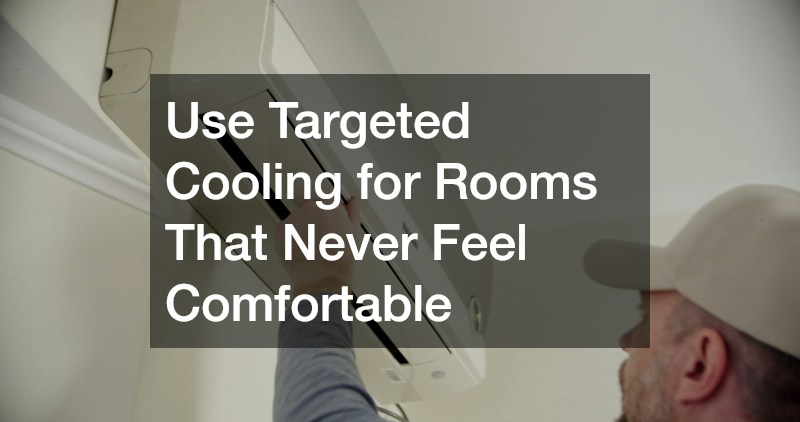
Extending existing ductwork is not always the most efficient solution. In some situations, a split ac system can provide independent temperature control without requiring major changes to the central duct system.
Ductless systems typically use an outdoor unit connected to one or more indoor air handlers. Because each indoor unit can serve a specific area, homeowners can condition occupied rooms without necessarily cooling the entire house to the same temperature.
This can be particularly helpful in additions or converted spaces that were never included in the original system design.
Zoning can offer similar benefits in homes with central ductwork. Dampers and multiple thermostats can divide the home into separate comfort areas, allowing different zones to operate based on demand.
Before choosing either approach, have an ac company evaluate why the room is uncomfortable in the first place.
The problem may be caused by:
- Poor insulation
- Excessive solar heat gain
- Air leaks
- Inadequate return airflow
- Undersized ductwork
- Long duct runs
- Poorly positioned supply vents
Installing new equipment without correcting these issues may improve comfort but still leave unnecessary energy losses.
Ductless equipment also requires proper sizing. Installing a unit that is too large can lead to frequent cycling and reduced humidity control, while an undersized unit may run continuously.
Indoor unit placement also matters. The air handler should be positioned where conditioned air can circulate effectively throughout the intended space.
Routine maintenance remains necessary as well. Filters should be cleaned or replaced regularly, outdoor units should remain clear of debris, and condensate drainage should be inspected.
Targeted conditioning works best when it solves a clearly identified comfort problem rather than simply adding more equipment.
Improve Heating Performance Before Winter Demand Increases
Heating efficiency deserves just as much attention as cooling efficiency, particularly in regions with long or cold winters.
Before temperatures drop significantly, inspect your heating system and pay attention to changes in performance.
Start with basic maintenance. Replace dirty filters, make sure vents are open, and keep combustible materials away from furnaces and other heating equipment.
Watch for symptoms such as:
- Rooms heating unevenly
- Unusual odors
- Longer heating cycles
- Unexpected noises
- Frequent cycling
- Increasing utility costs
- Difficulty reaching thermostat settings
A heating system that operates but struggles to maintain comfort may have airflow problems, worn components, thermostat issues, or other mechanical concerns.
When comparing Heating companies, homeowners should look beyond pricing alone.
Consider factors such as:
- Licensing and insurance
- Experience with your equipment type
- Warranty coverage
- Written estimates
- Maintenance plans
- Emergency availability
- Manufacturer certifications
- Reputation for explaining repair options clearly
If your system requires frequent service, ask a heating contractor whether continued repairs still make financial sense.
Older equipment does not automatically need to be replaced. Some systems continue operating reliably for many years with proper maintenance. However, replacement becomes more reasonable when several factors occur at the same time.
These may include:
- Frequent breakdowns
- Major component failure
- High operating costs
- Poor comfort despite repairs
- Increasing parts availability issues
- Significant changes to the home’s layout
Before replacing heating equipment, also evaluate the home itself.
Air leaks around doors, windows, attic penetrations, and exterior walls can cause significant heat loss. Poor insulation can force even efficient equipment to operate longer than necessary.
Improving air sealing and insulation may reduce the amount of heating capacity the home needs, potentially allowing smaller equipment to perform effectively.
Thermostat compatibility should also be reviewed during an upgrade. Some modern systems require specific controls to access features such as variable-speed operation or staging.
A complete evaluation can help homeowners avoid spending money on new equipment while overlooking problems elsewhere in the building.
Evaluate Heat Pumps as Part of a Broader Efficiency Strategy
Heat pumps have become an increasingly common option for homeowners interested in combining heating and cooling in a single system.
Rather than generating heat through combustion, a heat pump transfers heat between indoors and outdoors. During warm weather, it functions similarly to a conventional cooling system. During colder periods, the process reverses to provide heating.
Modern equipment can operate efficiently across a much wider range of outdoor temperatures than older models, but performance still depends heavily on proper design and installation.
Several factors should be evaluated before upgrading:
- Local climate
- Equipment capacity
- Home insulation
- Electrical service
- Duct condition
- Air leakage
- Backup heat requirements
- Existing equipment
- Household comfort preferences
Existing equipment should also be maintained carefully. Signs that heat pump repair may be needed include reduced output, repeated cycling, ice buildup, unusual sounds, and noticeable increases in energy consumption.
Some ice on an outdoor unit can be normal under certain winter conditions because heat pumps periodically enter a defrost cycle. Heavy or persistent ice, however, may indicate that something is wrong.
When comparing proposals from HVAC companies, homeowners should request detailed information rather than focusing solely on the equipment price.
A useful proposal should explain:
- Equipment model and capacity
- Efficiency ratings
- Warranty terms
- Installation labor
- Electrical requirements
- Duct modifications
- Thermostat upgrades
- Removal of old equipment
- Expected maintenance
- Any required backup heating system
Variable-speed equipment can improve comfort by adjusting output based on demand. Instead of cycling between fully on and off, the system may operate at lower output for longer periods, which can provide steadier temperatures and better humidity control.
Installation quality is especially important. Incorrect refrigerant charge, poor airflow, improper sizing, or badly configured controls can prevent high-efficiency equipment from performing as intended.
Homeowners should also consider how an upgrade fits into the rest of the property’s energy strategy.
Improving insulation, sealing air leaks, repairing ducts, and upgrading controls can all reduce heating and cooling demand. Completing some of these improvements before selecting new equipment may even allow a smaller system to meet the home’s needs.
Build an Efficiency Plan Around How Your Home Actually Performs
Improving home energy efficiency works best when upgrades are based on real performance rather than assumptions.
Start by identifying specific problems. Perhaps one floor is consistently uncomfortable, utility bills have increased, humidity is difficult to control, or the system has begun needing frequent repairs. Each of these issues points toward a different potential solution.
Keep records of energy use, maintenance visits, repair costs, and equipment age. Comparing information from year to year can make gradual changes easier to recognize and help you determine whether repairs are still providing good value.
It is also helpful to evaluate the home itself before investing in major mechanical upgrades. Insulation, air leakage, windows, room layout, and airflow can all influence comfort and energy consumption.
The most effective upgrades are usually those that address several needs at once: reducing wasted energy, improving comfort, lowering strain on equipment, and making indoor temperatures more consistent.
Not every home requires the newest or most expensive equipment. The goal should be to create a system that is properly sized, correctly installed, well maintained, and matched to the way the household actually uses the space.
By making improvements strategically rather than reactively, homeowners can build a more comfortable home while keeping long-term energy and maintenance costs under better control.