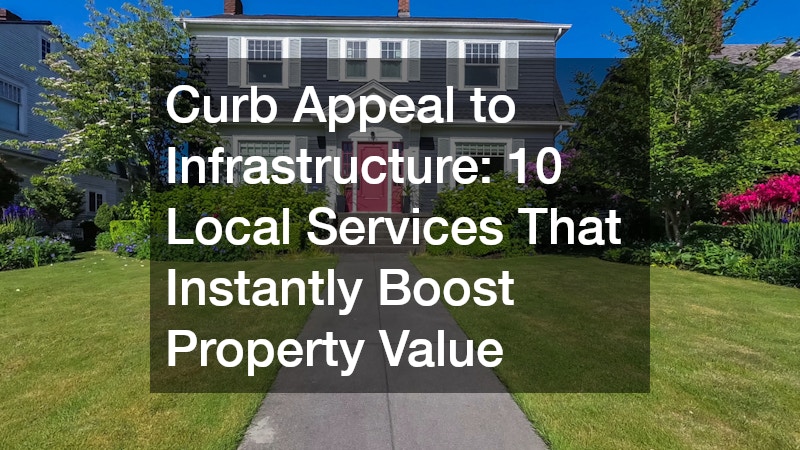
Investing in a residential or commercial property is one of the most significant financial commitments a person or business can make. Over time, maintaining and enhancing that investment requires a strategic approach that spans both surface-level aesthetics and deep underlying systems. Many property owners focus solely on visual upgrades like fresh paint or modern interior decor, yet true value appreciation relies on a balance between outward charm and structural integrity. Enhancing what people see first creates immediate interest, while strengthening the functional elements ensures long-term viability and prevents costly repairs down the line.
To maximize real estate potential, owners must adopt a comprehensive improvement strategy. This involves upgrading the external surfaces that define first impressions, ensuring heavy machinery or structural components are updated safely, and optimizing unseen mechanical networks. By aligning surface enhancements with essential subterranean and interior maintenance, properties become safer, more efficient, and significantly more attractive to potential buyers. A holistic maintenance plan protects your financial asset against depreciation and sets the stage for substantial long-term equity growth.
1. First Impressions That Define Modern Exterior Elegance
The exterior ground surfaces set the tone for any property, offering a direct reflection of overall upkeep and style. Enhancements to primary access routes, walking paths, and parking zones yield immediate returns by elevating visual harmony and safety. When surfaces are smooth, well-designed, and free of defects, the entire site feels more welcoming and valuable to visitors and prospective buyers alike.
Strategic planning for ground surface upgrades requires professional execution to ensure long-term durability against weather and heavy traffic. Partnering with a skilled local paving company ensures that materials are laid with proper grading and drainage in mind, preventing water pooling and future structural cracking. Beyond basic aesthetics, proper paving choices improve accessibility, reduce wear on vehicles, and significantly enhance overall safety for pedestrians.
To maximize the impact of exterior ground improvements, consider these key focus areas:
- Creating clear boundaries between pedestrian walkways and vehicle traffic areas
- Ensuring proper pitch and slope to route stormwater away from primary foundations
- Choosing durable surface materials that complement the architectural design of the main structures
By addressing ground access points early, owners build a solid foundation for all future exterior design enhancements.
2. Protecting and Extending the Life of Ground Surfaces
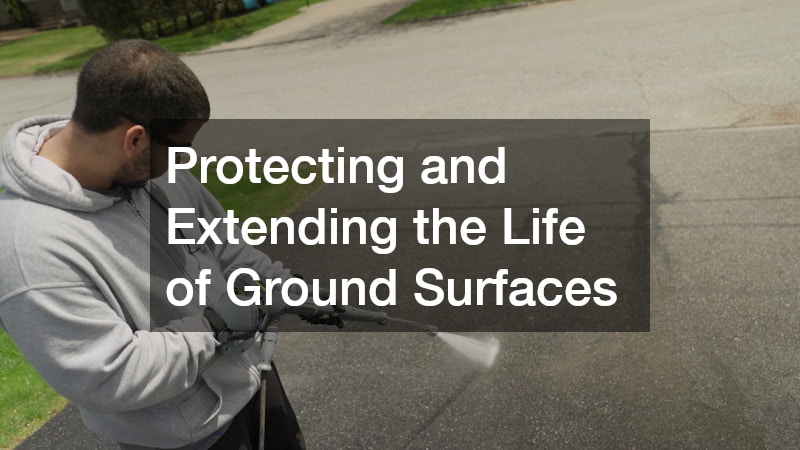
Maintaining primary outdoor surfaces involves more than just initial installation; ongoing preservation is critical to protecting the financial investment. Blacktop surfaces are constantly exposed to harsh sunlight, automotive fluids, extreme temperature swings, and heavy vehicular weights. Without routine maintenance, these environmental factors cause oxidation, fading, cracking, and moisture intrusion that rapidly degrades the underlying base material.
Applying protective surface barriers at regular intervals acts as a shield against daily wear and tear. Engaging experts for asphalt sealcoating helps seal small surface pores, preventing water from penetrating beneath the surface where freeze-thaw cycles can expand cracks into severe potholes. This preventative measure restores the deep black finish of the surface, drastically improving overall aesthetic appeal while extending the usable lifespan of the material by years.
Key benefits of regular surface sealing include:
- Enhanced resistance to oil, gasoline, and chemical spills
- Improved surface water shedding that stops deep moisture penetration
- A clean, uniform appearance that dramatically boosts overall curb appeal
Investing in routine surface sealing avoids premature reconstruction expenses and keeps entry paths looking pristine.
3. Elevating Structural Potential with Precision Aerial Lifting
Major property transformations often require moving heavy materials, installing upper-story equipment, or executing large-scale structural additions. Attempting to maneuver massive components without specialized equipment creates safety hazards and limits architectural possibilities. Professional lifting power makes complex construction, roofing overhauls, and architectural upgrades achievable without risking damage to existing structures.
Utilizing top-tier machinery managed by certified experts allows for seamless execution on ambitious building projects. Working with trusted local crane companies ensures that heavy structural beams, HVAC units, or decorative architectural elements are positioned with exact precision. This mechanical capability expands project options, allowing owners to add structural features that raise property functionality and visual prominence.
Consider the following heavy-lifting applications for site enhancement:
- Precise placement of pre-engineered structural trusses and framework
- Rapid installation of large rooftop climate systems and structural supports
- Efficient placement of heavy landscaping features, such as large trees or boulders
Leveraging specialized aerial equipment ensures challenging construction tasks are completed safely, quickly, and to high standards.
4. Ground-Level Heavy Equipment Solutions for Construction Operations
Extensive renovation work requires efficient horizontal movement of heavy building supplies, masonry, and equipment across the property. Manual labor slows down project timelines and increases the risk of site damage or personnel injuries. Having flexible access to heavy material-handling machinery keeps construction schedules on track and protects existing landscape features from unnecessary strain.
Acquiring specialized heavy equipment on a flexible basis keeps capital free while providing the precise tools needed for site upgrades. Utilizing local forklift rentals allows property teams to move pallets of stone, concrete, and building components effortlessly across varied terrain. This operational efficiency shortens overall renovation timelines, reducing labor costs and minimizing disruption to the surrounding property environment.
Key advantages of utilizing flexible heavy material handlers include:
- Safe transportation of heavy pallets without damaging surrounding ground surfaces
- Faster unloading and distribution of raw building supplies across the site
- Versatility to navigate tight spaces around active construction zones
Streamlining material transport keeps improvement projects moving forward smoothly while maintaining a safe work environment.
5. Transporting Raw Earth Materials for Structural and Decorative Upgrades
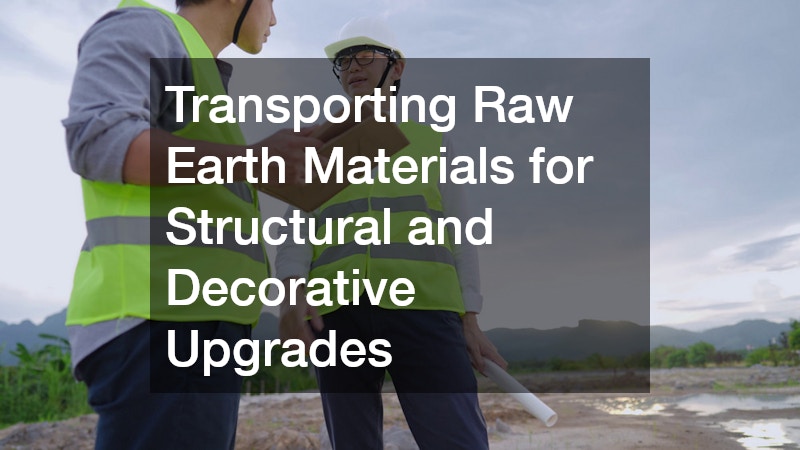
Large-scale land developments, custom landscaping, and foundational stabilization require the precise import and export of heavy organic materials. Transforming topography, creating robust retaining walls, or laying stable sub-bases for secondary structures depends on consistent material delivery. Proper handling of heavy raw earth ensures that structural modifications rest on secure, well-drained ground.
Sourcing high-quality aggregates and managing site preparation requires specialized transport solutions to move tons of material cleanly. Coordinating professional rock hauling ensures that gravel, crushed stone, and decorative boulders arrive on site precisely when needed. These raw materials serve vital functional roles, such as improving base drainage, preventing soil erosion, and laying solid footings for future exterior developments.
Essential applications for heavy mineral transport include:
- Creating durable aggregate sub-bases for driveways, patios, and sheds
- Delivering specialized drainage gravel for French drains and retaining walls
- Sourcing decorative stone to elevate xeriscaping and garden aesthetic zones
Managing raw material logistics efficiently lays the groundwork for both functional drainage systems and striking landscape features.
6. Crafting Visionary Spaces Through Professional Renovation Expertise
Transforming a property into a premium market asset requires expert design execution, structural mastery, and strict adherence to building standards. Major renovations—such as structural additions, exterior refacing, or layout reconfigurations—demand comprehensive oversight to ensure every detail adds measurable value. Professional guidance ensures that functional upgrades align seamlessly with regional aesthetic expectations.
Partnering with an experienced local building contractor provides the master craftsmanship necessary to execute complex architectural projects. A professional team coordinates trades, manages permits, and maintains high standards across all phases of construction. Whether constructing custom outdoor living spaces, expanding square footage, or upgrading exterior facades, expert building oversight ensures high ROI and long-term structural integrity.
Key focus areas for comprehensive building projects include:
- Constructing functional outdoor living environments like covered patios and decks
- Expanding interior usable square footage to meet modern buyer expectations
- Overhauling exterior building envelopes to improve insulation and aesthetic styling
Comprehensive building upgrades bridge the gap between initial design vision and durable, value-adding reality.
7. Optimizing Subterranean Water Systems and Indoor Plumbing Efficiency
The internal plumbing infrastructure is one of the most critical functional systems within any building. Faulty pipes, hidden leaks, and inefficient water fixtures can cause catastrophic structural damage, create hidden mold issues, and ruin expensive finishes. A fully modernized, high-efficiency water delivery and waste removal network ensures property safety, operational reliability, and lower utility expenses.
Maintaining a healthy internal infrastructure requires regular inspection, pipe upgrades, and swift remediation of minor system flaws. Relying on certified local plumbing services ensures that all water lines, drainage paths, and fixture connections operate at peak efficiency. Modernizing these hidden components gives prospective buyers total confidence in the property’s operational health, directly boosting market valuation.
Critical plumbing maintenance tasks for long-term property protection include:
- Upgrading outdated supply lines to high-durability modern piping materials
- Installing low-flow fixtures to reduce water consumption and utility costs
- Conducting routine sewer and drain camera inspections to prevent major back-ups
Proactive plumbing management protects structural integrity from hidden water damage while optimizing operational efficiency.
8. Ensuring Subsurface Waste System Integrity and Health
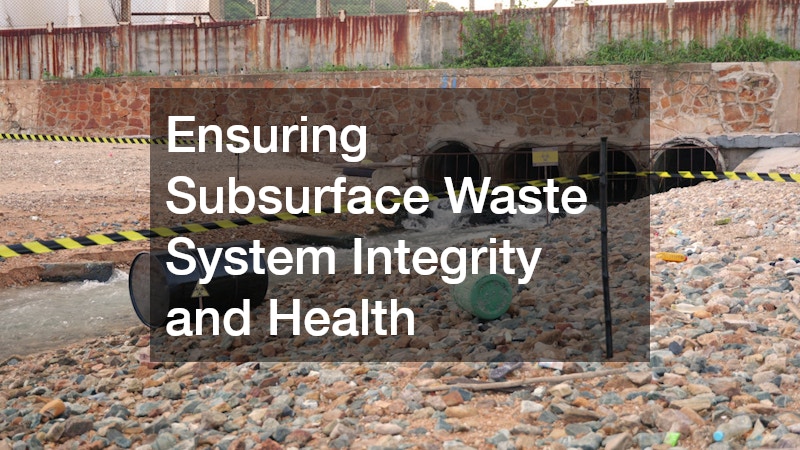
For properties detached from municipal waste networks, subterranean waste management systems are vital to health, sanitation, and environmental compliance. A failing underground waste system causes severe soil contamination, foul odors, and catastrophic backup into the main building. Regular inspection and thorough management of these hidden tanks protect the surrounding ecosystem and preserve property value.
Systematic waste removal and structural tank flushes are non-negotiable aspects of property maintenance. Scheduling regular septic cleaning prevents solids from accumulating and clogging the absorption field, which can result in thousands of dollars in system replacement costs. Demonstrating a documented history of routine waste management provides buyers with immediate reassurance regarding the property’s health and regulatory compliance.
Key practices for maintaining healthy subsurface waste systems include:
- Conducting scheduled waste extraction every three to five years based on usage
- Monitoring absorption fields for signs of surface oversaturation or vegetative changes
- Eliminating non-biodegradable waste dumping to preserve natural bacterial balance
Maintaining off-grid utility systems prevents environmental hazards and safeguards the foundational value of the land.
9. Enhancing Indoor Air Hygiene and System Performance
Indoor environmental quality directly impacts occupant health, comfort, and energy performance. Over time, central heating and cooling networks accumulate dust, allergens, pet dander, and microscopic debris within their hidden distribution channels. Circulating contaminated air reduces system efficiency, strains mechanical components, and compromises indoor air quality throughout the structure.
Comprehensive cleaning of air channels removes built-up particulate matter and restores optimal airflow across the entire space. Hiring a qualified local air duct cleaner ensures that dust reservoirs, mold spores, and debris are safely extracted using high-powered vacuum equipment. Clean distribution channels reduce strain on central HVAC units, lowering energy costs and creating a healthier, fresher indoor living environment.
Key steps for maintaining clean air distribution systems include:
- Thorough extraction of accumulated dust and allergens from supply and return channels
- Sanitizing air delivery channels to prevent mold, mildew, and bacterial growth
- Inspecting duct joints for air leaks that waste conditioned air and drive up energy costs
Prioritizing clean air networks elevates living comfort while protecting expensive HVAC systems from premature mechanical failure.
10. Modernizing Zoned Climate Control for Flexible Efficiency
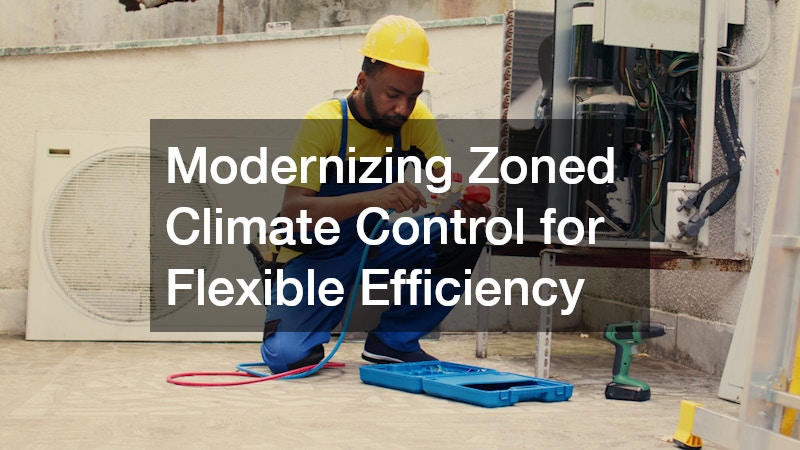
Traditional central heating and cooling setups often struggle to deliver consistent temperatures across every room, leading to hot spots, cold zones, and wasted energy. Modern property buyers prioritize customized comfort and targeted climate control. Incorporating flexible, high-efficiency heating and cooling units allows owners to regulate specific zones without burning excessive energy on unused areas.
Installing compact, ductless climate solutions offers targeted temperature management without requiring invasive structural modifications. Scheduling professional ductless AC service ensures that these specialized units run smoothly, maintain peak energy ratings, and deliver clean air efficiently. Modern zoned climate options increase overall property appeal by giving occupants precise control over individual room environments while dramatically lowering overall energy bills.
Key advantages of targeted climate solutions include:
- Independent temperature regulation across individual rooms and architectural additions
- Highly efficient inverter technology that reduces overall electricity consumption
- Quiet operation and minimal architectural intrusion compared to traditional central systems
Integrating flexible climate options creates a modern, energy-efficient comfort environment that appeals strongly to modern real estate buyers.
Building lasting property value requires a well-balanced approach that integrates surface aesthetics with deep functional infrastructure. While visual updates attract initial interest, it’s the underlying strength of the building’s mechanical, structural, and environmental systems that secures high market equity. Property owners who address both curb appeal and structural systems protect their investments against depreciation, costly emergency repairs, and structural failure.
Developing a routine maintenance schedule and executing targeted improvements keeps property systems operating at peak performance. When exterior elegance works in harmony with modern infrastructure, the result is a safer, more efficient, and aesthetically pleasing environment. Investing in structural integrity and visual appeal delivers immediate lifestyle benefits today while maximizing long-term financial returns for the future.