Managing household expenses can be challenging as utility bills, maintenance, and repairs strain monthly budgets. Homeowners can reduce costs by improving insulation, upgrading appliances, and maintaining essential systems. Strategic improvements and simple daily habits help increase efficiency and deliver long-term savings. Because heating, cooling, plumbing, electrical services equipment, and wastewater systems all affect household expenses, identifying inefficiencies is essential. Prioritizing necessary repairs and planning upgrades carefully can prevent costly problems and improve comfort. By evaluating potential savings, maintaining equipment regularly, and investing in practical improvements, homeowners can control expenses, protect their property, and create a more energy-efficient living environment.
Identify Energy-Wasting Appliances and Upgrade Priorities
Understanding where your home wastes energy is the first step toward lowering utility expenses. Outdated appliances, inefficient lighting, poor insulation, and equipment that operates unnecessarily can increase electricity consumption. Before purchasing replacements, evaluate your home’s current performance and determine which improvements offer the greatest potential savings.
Practical ways to improve efficiency include:
- Replace traditional incandescent bulbs with energy-efficient LED lighting.
- Choose appliances with strong energy-efficiency ratings when replacements become necessary.
- Unplug electronics that consume standby power when practical.
- Seal gaps around windows and exterior doors to reduce heating and cooling losses.
- Conduct a home energy assessment to identify larger opportunities for improvement.
Prioritize upgrades according to cost, expected savings, and equipment lifespan. Replacing everything at once is rarely necessary. A carefully planned approach helps homeowners make affordable improvements without sacrificing comfort.
Prepare for Electrical Problems Before They Become Expensive
Electrical problems can create unexpected expenses, particularly when homeowners ignore warning signs until equipment stops working. Flickering lights, frequently tripped breakers, buzzing outlets, and unusual burning odors may indicate issues that require professional evaluation. Addressing these problems promptly can protect appliances, reduce disruption, and improve household safety.
An emergency electrician may be necessary when an electrical fault creates an immediate hazard, such as sparking equipment, exposed live wiring, or suspected electrical fires. Homeowners should never attempt repairs involving dangerous electrical services components without the appropriate qualifications.
Consider these preventive measures:
- Avoid connecting too many high-powered appliances to one outlet or circuit.
- Test smoke alarms and carbon monoxide alarms according to manufacturer instructions.
- Arrange professional inspections when electrical equipment repeatedly malfunctions.
- Keep electrical panels accessible and free from stored belongings.
- Investigate unexplained increases in electricity usage rather than assuming they are normal.
If you notice smoke, sparking, or a burning smell, prioritize safety. Leave the affected area if necessary and contact emergency services when there is a fire or immediate danger. Do not touch damaged wiring or equipment.
Although professional repairs involve costs, resolving electrical problems early may prevent more extensive damage and help homeowners avoid larger unexpected expenses.
Determine Whether Your Electrical Panel Needs an Upgrade
A home’s electrical panel distributes electricity to individual circuits throughout the property. Older panels may have limited capacity for modern appliances, additional air conditioning equipment, electric vehicle chargers, or other high-demand devices. Evaluating the panel becomes particularly important when planning major renovations or adding new electrical loads.
A local electrical panel upgrade may be appropriate when a qualified electrician determines that the existing panel is damaged, unsuitable, or unable to accommodate household requirements safely. However, replacing a panel does not automatically lower electricity bills. Its value depends on the condition of the existing equipment and the improvements the upgrade makes possible.
Homeowners should look for warning signs and consider future needs before making a decision.
Important steps include:
- Request an electrical assessment before installing major appliances.
- Discuss anticipated electrical demand if you plan to add a heat pump or electric vehicle charger.
- Obtain itemized estimates covering labor, materials, permits, and necessary repairs.
- Ask whether the existing panel can safely support planned improvements.
- Compare the cost of upgrading now with the potential expense of delaying essential work.
A properly planned electrical upgrade can support modernization and improve the home’s ability to accommodate efficient equipment. Nevertheless, homeowners should distinguish necessary safety improvements from optional projects.
Consulting a licensed professional helps ensure the proposed work meets applicable codes and suits the property’s long-term needs. Planning ahead also makes it easier to coordinate electrical work with other renovations and manage the overall project budget.
Automate Everyday Energy Use With Smarter Controls
Technology can help homeowners reduce unnecessary energy consumption without requiring constant attention. Smart thermostats, automated lighting, occupancy sensors, and compatible energy-monitoring devices allow households to control when equipment operates.
Smart home automation can be especially useful for managing heating, cooling, and lighting according to daily routines. For example, a thermostat can adjust temperatures when residents leave for work and restore comfortable settings before they return. Automated lighting can also prevent lights from remaining on in unoccupied rooms.
The best approach is to begin with devices that address your home’s largest sources of avoidable energy use. Expensive technology is not always necessary to achieve meaningful savings.
Consider these practical improvements:
- Install a compatible smart thermostat and establish sensible temperature schedules.
- Use occupancy sensors in hallways, bathrooms, and other intermittently occupied spaces.
- Monitor electricity consumption through compatible applications or smart plugs.
- Schedule outdoor lighting to operate only when needed.
- Review automated settings regularly as household schedules change.
Before purchasing equipment, check compatibility with existing heating, cooling, and electrical systems. Some devices require professional installation, while others can be installed by homeowners according to manufacturer instructions.
Security and privacy also deserve attention. Use strong passwords, install software updates, and review device permissions.
Reduce Water Waste and Prevent Costly Plumbing Leaks
Water waste can increase utility bills and contribute to expensive property damage. Leaking faucets, running toilets, damaged pipes, and inefficient fixtures may waste significant amounts of water over time. When leaks involve hot water, the additional energy required to heat replacement water can raise household expenses further.
Qualified local home plumbers can identify hidden leaks, evaluate aging pipes, and recommend improvements suited to a home’s plumbing system. Professional assistance is particularly valuable when water damage appears, pressure changes unexpectedly, or a leak cannot be located easily.
Simple upgrades and consistent maintenance can help reduce unnecessary consumption.
Homeowners can:
- Replace worn faucet washers and repair running toilets promptly.
- Install water-efficient showerheads and faucets where appropriate.
- Insulate accessible hot-water pipes to reduce heat loss.
- Repair dripping hot-water connections and investigate unexplained water usage.
- Wash full loads of laundry when practical and choose suitable water-saving settings.
- Consider efficient water heaters when existing equipment needs replacement.
It is also helpful to monitor water bills. A sudden increase without a corresponding change in household habits may indicate a hidden leak or malfunctioning fixture.
Reducing water consumption can lower utility costs while conserving resources. Preventive plumbing maintenance also helps protect walls, floors, cabinets, and other parts of the home from avoidable moisture damage.
Improve Heating and Cooling Performance With Regular Servicing
Heating and cooling equipment can account for a substantial share of household energy consumption. When systems operate inefficiently, homeowners may pay more to maintain comfortable temperatures without receiving better performance. Regular maintenance, improved insulation, and sensible thermostat settings can help address these problems.
Professional HVAC services can identify restricted airflow, worn components, duct leaks, and other issues that affect system performance. Technicians can also assess whether equipment is appropriately sized for the home and recommend repairs or replacements when necessary.
Homeowners can support efficient operation through several straightforward practices:
- Replace or clean air filters according to manufacturer recommendations.
- Keep supply vents and return-air grilles unobstructed.
- Seal accessible gaps around windows, doors, and other openings.
- Inspect accessible ductwork for visible damage or disconnected sections.
- Use programmable temperature settings that reflect household routines.
- Schedule seasonal maintenance before periods of heavy heating or cooling demand.
Insulation deserves particular attention because even efficient equipment must work harder when heat escapes during winter or enters the home during summer. Sealing leaks and improving attic insulation may provide more value than replacing equipment prematurely.
If a heating or cooling system is aging, compare repair costs with the potential benefits of a more efficient replacement. Consider equipment ratings, installation quality, climate suitability, and expected operating costs.
The goal is not simply to purchase newer equipment. It is to reduce the home’s overall heating and cooling requirements while ensuring that existing systems operate safely and effectively.
Maintain Wastewater Systems to Avoid Preventable Expenses
Wastewater infrastructure is an important part of responsible homeownership. Neglected systems can cause backups, unpleasant odors, property damage, and expensive emergency repairs. Although wastewater maintenance does not always reduce electricity consumption directly, preventing failures can protect household finances and reduce avoidable resource waste.
Septic pumping services help remove accumulated solids from septic tanks as part of an appropriate maintenance plan. The correct schedule depends on factors such as tank capacity, household size, water usage, and system condition. Homeowners should follow professional recommendations rather than relying on a universal pumping interval.
Everyday water-use habits also influence the amount of wastewater entering the system. Excessive water flow over short periods can place unnecessary strain on septic infrastructure.
Useful preventive practices include:
- Arrange septic inspections and pumping according to professional guidance.
- Repair leaking toilets and faucets to prevent continuous wastewater flow.
- Spread laundry loads throughout the week when practical.
- Avoid flushing wipes, grease, and other materials that can interfere with wastewater systems.
- Keep vehicles and heavy equipment away from designated septic areas.
- Maintain records of inspections, repairs, and pumping dates.
Homeowners connected to municipal wastewater infrastructure should also pay attention to repeated drain problems and other signs of developing issues.
When purchasing a property, reviewing maintenance records can reveal whether the wastewater system has received appropriate care. For existing homes, addressing small concerns early is usually more manageable than dealing with a major backup or system failure.
Responsible maintenance helps extend the useful life of wastewater infrastructure and makes household expenses more predictable.
Keep Cooling Equipment Efficient During Hot Weather
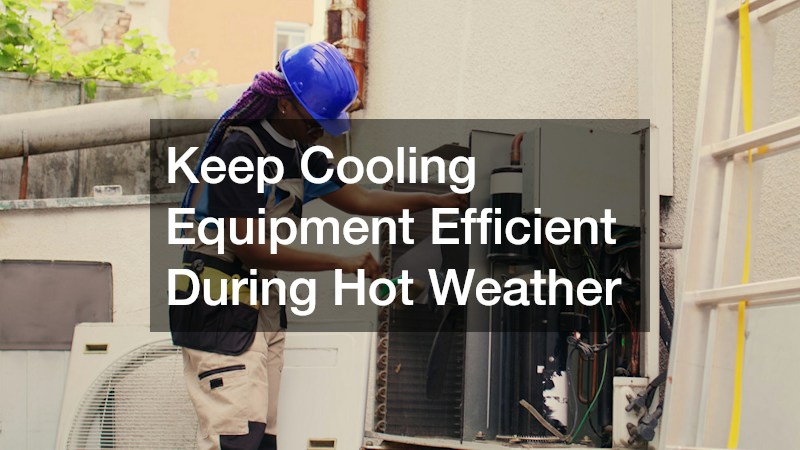
Air conditioning can become a major source of electricity consumption during hot weather, especially when outdoor temperatures remain high for extended periods. Poor airflow, dirty coils, failing components, and incorrect refrigerant levels can make equipment work harder than necessary.
Timely ac repair services can restore performance when cooling equipment develops mechanical or electrical problems. Homeowners should seek professional assistance when a system produces weak airflow, makes unusual noises, develops ice buildup, or struggles to maintain the desired temperature.
Regular maintenance and sensible cooling habits can help prevent unnecessary energy use.
Consider these steps:
- Replace air filters according to the manufacturer’s recommended schedule.
- Keep outdoor condenser units clear of leaves and other debris.
- Use blinds or curtains to limit direct sunlight during the hottest hours.
- Seal air leaks and improve insulation where necessary.
- Set the thermostat to a comfortable, energy-conscious temperature.
- Avoid placing heat-producing appliances near the thermostat.
A local ac repair professional can determine whether poor performance results from a repairable fault, inadequate maintenance, or equipment that no longer meets the home’s needs.
If the air conditioner requires repeated repairs, compare the expected cost of continued maintenance with the purchase and installation of a more efficient system. Consider the unit’s age, operating performance, warranty coverage, and anticipated future repair expenses.
Prevent Drainage Problems That Can Lead to Major Repairs
Drainage problems can become expensive when blockages, damaged pipes, or sewer services failures go unaddressed. Warning signs may include repeated backups, multiple slow drains, persistent sewage odors, or unusually wet areas in the yard. These symptoms deserve attention because continued use may worsen the problem.
Preventive habits can reduce the likelihood of certain blockages and protect household plumbing.
Homeowners should:
- Avoid pouring cooking grease into kitchen drains.
- Dispose of wipes, hygiene products, and other unsuitable materials in the trash.
- Use drain strainers to catch hair and food debris where appropriate.
- Investigate recurring clogs instead of repeatedly relying on temporary solutions.
- Keep tree planting and landscaping plans in mind when considering underground pipes.
- Obtain a professional assessment when multiple drains develop problems simultaneously.
Drainage maintenance does not usually deliver direct energy savings, but it can prevent costly damage to floors, foundations, landscaping, and household belongings.
Taking action when early warning signs appear can help homeowners avoid more extensive damage and preserve the reliability of their plumbing systems & sewer services.
Build a Long-Term Upgrade Budget and Track Savings

Energy-efficient improvements are easier to manage when homeowners establish priorities and spread expenses over time. Rather than attempting every project at once, create a plan that distinguishes urgent safety repairs from upgrades that can be scheduled according to budget and expected benefits.
Start by reviewing utility bills, equipment ages, maintenance records, and known household problems. This information can help identify improvements that address persistent expenses rather than merely appearing attractive.
A practical planning strategy includes:
- Prioritize safety concerns, active leaks, and equipment faults that could cause additional damage.
- Compare estimated installation costs with potential energy savings and expected equipment lifespan.
- Research current utility rebates, manufacturer incentives, and applicable tax benefits.
- Maintain a calendar for inspections, filter changes, and seasonal preparation.
- Keep receipts, warranties, and maintenance records in one accessible location.
- Review utility usage periodically to assess whether improvements are producing meaningful results.
Energy-efficient home improvements reduce utility bills, improve comfort, and control maintenance expenses. Upgrading appliances, repairing leaks, and maintaining essential equipment provide lasting benefits. Tracking energy use, prioritizing safety, and budgeting carefully help homeowners identify inefficiencies, prevent costly repairs, protect property value, and create a more affordable, efficient living environment.