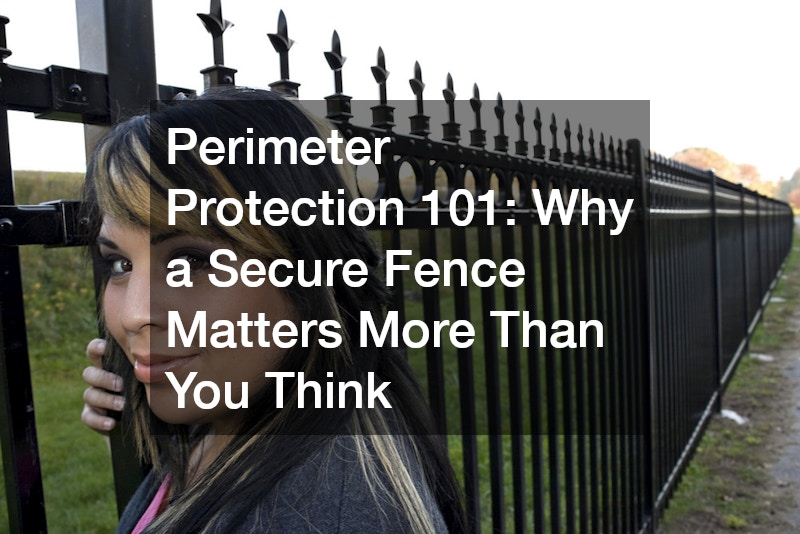
When most homeowners think of fences, aesthetics and property lines often come to mind before security. Yet, a well-designed perimeter is far more than just a decorative boundary. A secure fence provides critical protection for your property, deterring intruders, keeping children and pets safe, and establishing clear limits that define your outdoor space. The best fences combine functionality with visual appeal, enhancing both safety and the overall look of your home.
Security is not just about keeping outsiders out; it’s about creating a controlled environment where you feel confident in your property’s safety. Many people overlook subtle threats such as poorly lit areas, weak access points, or vegetation that obstructs visibility. Addressing these risks proactively can prevent potential breaches, accidents, or vandalism. By treating your perimeter as a core component of home security, you can create a safer, more comfortable, and more attractive living environment.
Another often-overlooked benefit of a secure perimeter is its role in enhancing peace of mind and quality of life. Knowing that your property is protected allows you to fully enjoy outdoor spaces, entertain guests, and relax without constant worry. A thoughtful fence design combined with complementary security measures can create a sense of order, privacy, and control, making your home feel more welcoming and well-managed.
This guide will walk you through practical strategies for maximizing perimeter protection. From choosing the right fence and reinforcing entry points to integrating technology, lighting, and professional support, these insights help homeowners understand why a secure fence matters more than they might think. By following these tips, you can transform your property into a fortress that balances security, functionality, and style.
Start With a Comprehensive Property Assessment

Before investing in a fence or security system, it’s critical to assess your property thoroughly. A comprehensive evaluation identifies vulnerabilities that could compromise the effectiveness of a perimeter. This process often starts with professional input from fence companies, who can evaluate terrain, sightlines, and structural needs. Their expertise ensures that the fence you choose aligns with both your property’s unique characteristics and your security goals.
In addition to fencing specialists, consulting a security service can reveal risks that are less obvious. These professionals look at potential entry points, blind spots, and areas that are difficult to monitor. They may also analyze how local crime patterns and neighborhood traffic could affect your property. By combining the insights of both fencing and security experts, homeowners can develop a robust plan that addresses both structural and situational vulnerabilities.
Key steps during a property assessment include mapping the perimeter, noting weak or low-visibility areas, and evaluating current security measures. Observing these factors provides a clear picture of how a fence or other deterrents can be strategically placed. A detailed assessment lays the foundation for an effective and long-lasting security solution.
Choose the Right Type of Fence for Security and Style
Selecting the appropriate fence is more than an aesthetic decision; it is a foundational security measure. Material choice plays a critical role in durability and deterrence. Wood fences may offer privacy and a classic look, but they can rot or be easily breached if not maintained. Metal fences, such as wrought iron or aluminum, provide a formidable barrier, while vinyl combines durability with low maintenance. Evaluating the strengths and weaknesses of each material helps ensure your investment protects both your property and your family.
Additionally, long-term fence maintenance should factor into your decision. Some materials require periodic painting, sealing, or treatment to remain effective, while others demand minimal upkeep. Consider how much time and resources you’re willing to invest in maintaining the fence over the years. A secure fence remains structurally sound and visually intact, and proper maintenance ensures it continues to perform its protective function effectively.
When evaluating fences for security:
- Consider height and visibility: Taller fences discourage climbing, while partially transparent designs maintain sightlines.
- Examine durability against weather and wear: Wind, moisture, and sun exposure can weaken certain materials over time.
- Check for legal or HOA restrictions: Local regulations may dictate allowable fence types or heights.
Balancing security, appearance, and maintenance ensures that your fence serves as a long-term investment rather than a temporary barrier.
Reinforce Entry Points With Gates and Access Controls
Even the strongest fence is only as secure as its entry points. Installing an automatic gate adds both convenience and control, allowing you to monitor who enters and exits your property. Automated gates can include keypads, remote controls, or smartphone integration, providing flexibility without sacrificing security. A gate is not just a physical barrier — it’s a checkpoint that prevents unauthorized access while streamlining authorized entry.
Equally important is professional security hardware installation for locks, hinges, and reinforcement mechanisms. Proper installation prevents tampering and ensures that gates perform reliably under daily use. Hardware upgrades, such as anti-lift hinges and reinforced strike plates, increase the overall integrity of your perimeter.
When planning entry point security:
- Combine visual deterrents like gates with access technology for layered protection.
- Ensure backup systems are available in case of power failures or technical issues.
- Integrate gates seamlessly into your overall fence design without creating weak spots.
By strengthening entry points, homeowners create a secure threshold that complements the rest of the perimeter while providing practical functionality for daily use.
Leverage Surveillance Technology for Peace of Mind

Adding visual monitoring to your perimeter is essential for modern security. Security cameras serve multiple functions: deterring intruders, providing evidence in case of incidents, and offering peace of mind when away from home. Camera placement should cover high-traffic areas, blind spots, and entry points. Choosing cameras with night vision, remote monitoring, and motion detection enhances their effectiveness.
Integrating surveillance with a professional security service ensures that alerts and video feeds are monitored consistently. Many services provide instant notifications, professional assessment of suspicious activity, and rapid response in emergencies. This combination of hardware and service dramatically increases the effectiveness of your perimeter security.
Tips for effective camera deployment include:
- Positioning cameras at heights that prevent tampering.
- Ensuring adequate coverage of the entire perimeter.
- Balancing visibility with privacy considerations for neighbors and passersby.
Cameras, when paired with fences and gates, create a multi-layered security approach. This integration transforms a basic perimeter into a proactive, monitored system that deters threats before they escalate.
Enhance Safety With Strategic Lighting
Illumination is a simple but powerful tool for improving perimeter security. Well-placed landscape lighting can deter potential intruders by eliminating dark corners and shadowed areas. Pathway lighting, floodlights, and motion-sensor fixtures make it harder for anyone to approach your property undetected. The goal is to ensure every access point and vulnerable area is visible at night without creating glare or blind spots.
A professional landscaper can integrate lighting solutions with your outdoor design, ensuring security enhancements blend seamlessly with your property’s aesthetics. This includes careful placement along pathways, around fences, and near gates to highlight potential intrusion points. Thoughtful design prevents over-illumination while maximizing safety and ambiance.
Effective lighting strategies include:
- Motion-activated lights that trigger only when movement is detected.
- Layered lighting combining ambient, task, and accent illumination.
- Highlighting fences and entry points to create visual deterrents.
By combining functional lighting with aesthetic design, homeowners improve both safety and the enjoyment of their outdoor spaces.
Reinforce the Fence Structure Against Tampering
Even the best-designed fences can be compromised if structural weaknesses are ignored. Reinforcing the fence with durable posts, anti-climb panels, or tamper-resistant fasteners increases resilience against intrusion attempts. Regular inspection identifies vulnerable areas where adjustments or repairs may be necessary.
Proper security hardware installation complements structural reinforcements. This includes upgrading hinges, locks, and bolts to withstand tampering and unauthorized entry attempts. Reinforcing gates and fence panels prevents casual breaches while giving homeowners confidence in the perimeter’s reliability.
Steps to strengthen the structure include:
- Inspecting posts and panels for rot, rust, or looseness.
- Adding reinforcement plates or brackets to high-stress areas.
- Using hardware that resists prying, cutting, or unscrewing.
Combined, these measures create a robust fence system that functions as a secure boundary rather than a superficial barrier.
Integrate Warning Systems and Deterrents
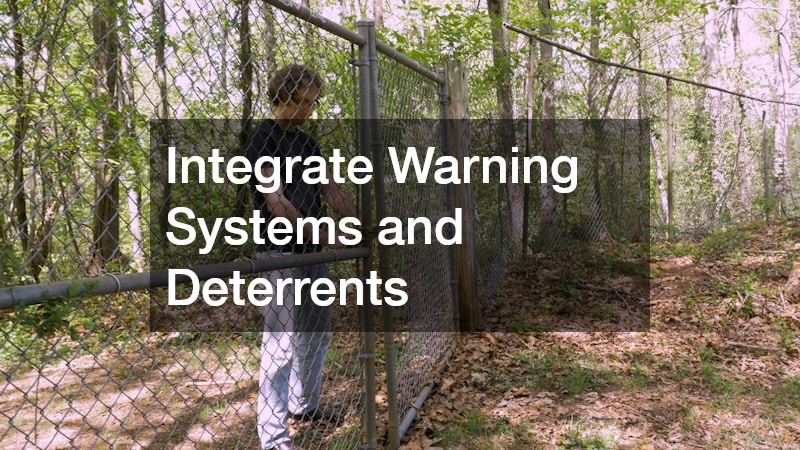
Visible deterrents are often as effective as physical barriers. Placing clear signs around your property communicates that surveillance, alarms, and restricted access are in effect. This psychological barrier often prevents potential intruders from even attempting entry.
Consulting a security service can ensure that signage is strategically placed and effectively communicates your security measures. Signs should be readable, visible at key entry points, and paired with actual surveillance or monitoring systems to reinforce credibility.
Other deterrent strategies include:
- Alarms that trigger upon forced entry.
- Noise sensors that alert homeowners to movement.
- Neighborhood alert systems or connected smart home notifications.
Combining physical barriers with psychological deterrents strengthens perimeter security, making your property less attractive to potential intruders.
Maintain Your Fence to Ensure Long-Term Security
A secure fence requires ongoing attention. Fence maintenance includes regular inspections, cleaning, and minor repairs to prevent deterioration. Loose panels, rust, or rotting posts can compromise the effectiveness of the entire perimeter, even if the initial installation was strong.
Professional fence companies offer maintenance programs that prolong the life and security of fences. Scheduled inspections, reinforcement, and repairs prevent small issues from becoming major vulnerabilities. Regular upkeep ensures that gates, locks, and hardware continue to function reliably.
Maintenance best practices include:
- Checking for loose or damaged panels monthly.
- Tightening hardware and lubricating hinges annually.
- Cleaning surfaces to prevent rot, rust, or corrosion.
With proper maintenance, fences remain functional and secure for years, providing long-term protection and peace of mind.
Plan for Seasonal and Environmental Challenges
Weather and environmental factors can weaken fences over time. Storms, heavy rain, snow, and wind can compromise posts and panels. Vegetation growth can obscure lines of sight or damage fencing, making it easier for intruders to approach undetected.
A professional landscaper can help manage these challenges, ensuring that plants, trees, and shrubs do not create security risks. Landscape lighting adjustments may also be needed seasonally to maintain proper illumination and coverage during shorter daylight hours or adverse weather conditions.
Strategies to prepare for environmental challenges include:
- Reinforcing posts and anchoring panels before storm season.
- Trimming trees and shrubs to maintain visibility and prevent climbing opportunities.
- Adjusting lighting angles and adding temporary fixtures when needed.
By addressing seasonal risks proactively, homeowners maintain consistent security and reduce the likelihood of weather-related vulnerabilities.
Combine Multiple Security Layers for Comprehensive Protection

A robust perimeter combines physical barriers, technology, and professional monitoring. Installing security cameras alongside an automatic gate creates multiple layers of defense that work together to prevent intrusion. Layered security ensures that if one measure fails, others remain active.
Integration tips include:
- Coordinating gate access controls with camera monitoring.
- Ensuring alerts and notifications reach homeowners or security services promptly.
- Testing systems regularly to confirm functionality.
When fences, gates, cameras, and lighting are all integrated, the perimeter functions as a comprehensive security network. Homeowners benefit from peace of mind, knowing their property is protected from multiple angles.
A secure fence is far more than a visual boundary — it is a fundamental component of property protection. By carefully planning your perimeter, reinforcing entry points, integrating surveillance and lighting, and maintaining your fence, you create a safe, reliable, and visually appealing barrier.
Investing in layered security measures, including gates, cameras, signs, and professional services, ensures long-term protection for your family, pets, and property. Regular upkeep and strategic planning safeguard the integrity of the perimeter, making intruding attempts less likely and reducing potential risks.
Ultimately, a thoughtfully designed and maintained perimeter provides homeowners with peace of mind, increased property value, and a sense of control over the safety of their property. Proper perimeter protection transforms a simple fence into a proactive security system that defends, deters, and enhances your home’s environment.
In addition to safety, a well-planned perimeter can enhance the overall enjoyment of your outdoor spaces. Secure fencing allows families to use their yards for recreation, gardening, or entertaining without worry. Pets can roam freely, children can play safely, and homeowners can spend more time outdoors knowing the boundaries are protected. By combining security with functional design, your fence becomes not just a protective barrier but an integral part of your home’s lifestyle and aesthetic appeal.