Rising utility bills can feel frustrating, especially when energy use seems unavoidable. Many homeowners want practical ways to lower costs without sacrificing comfort. The good news is that small changes, along with a few strategic upgrades, can make a noticeable difference over time. By understanding where energy is used and how to manage it more effectively, you can create a home that runs efficiently and costs less to maintain.
One effective way to begin reducing energy costs is by conducting a comprehensive energy audit of your home. This process involves identifying areas where energy is wasted, such as drafty windows, poor insulation, or outdated appliances. By addressing these issues through simple fixes like weather stripping or upgrading to energy-efficient appliances, you can enhance your home’s energy performance. Additionally, adopting habits like unplugging devices when not in use, using programmable thermostats, and utilizing natural light can further decrease your energy consumption. These small, manageable steps not only contribute to lower utility bills but also promote a more sustainable lifestyle.
Understand Where Your Energy Goes
Before making improvements, it helps to identify where energy is being used the most. Heating and cooling typically account for the largest portion, followed by water heating, lighting, and appliances.
A home energy audit is a smart starting point. Many HVAC companies offer evaluations that highlight inefficiencies, such as air leaks or outdated systems. This type of assessment gives you a clear picture of what needs attention first.
You can also track usage through your utility provider’s online dashboard. Patterns often reveal opportunities to adjust habits or upgrade equipment.
Simple ways to assess energy use:
- Review monthly utility bills for seasonal spikes
- Check insulation levels in attics and walls
- Inspect windows and doors for drafts
- Monitor thermostat settings throughout the day
Understanding these details allows you to prioritize upgrades that will have the biggest impact.
Upgrade Your Heating and Cooling System
Heating and cooling systems are often the biggest drivers of energy costs. If your system is older or struggling to keep up, it may be time for an upgrade.
Working with experienced HVAC installers for an AC replacement, for example, ensures that your system is sized and installed correctly. An inefficient setup can waste energy even if the equipment itself is high quality.
If your system frequently breaks down or struggles during extreme temperatures, AC replacement might be the better long-term investment. Newer systems are designed to use less energy while maintaining consistent indoor comfort.
Signs your system may need attention:
- Uneven temperatures throughout the home
- Frequent repairs or rising maintenance costs
- Unusual noises or weak airflow
- Energy bills are increasing without a clear reason
Modern systems often include smart controls and improved efficiency ratings, which help reduce overall energy use.
Stay on Top of Maintenance and Repairs
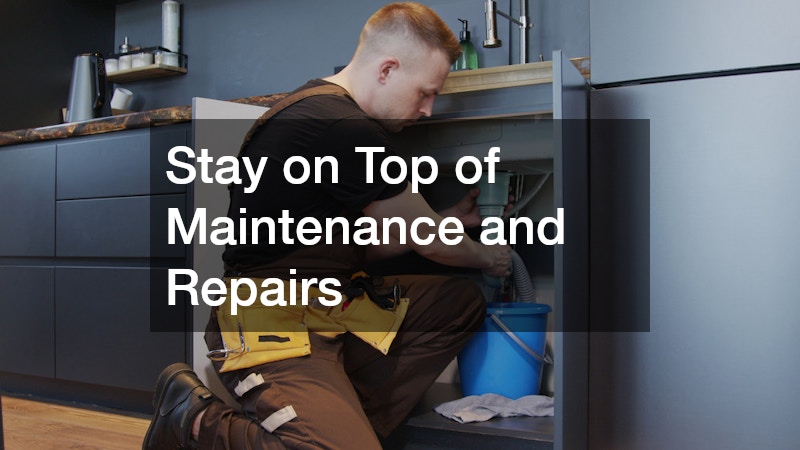
Even the most efficient systems lose performance when they are not properly maintained. Regular service keeps everything running smoothly and prevents costly issues.
If your unit starts acting up, searching for an air conditioning repair service near me can connect you with local professionals who can quickly diagnose the problem. Addressing small issues early prevents them from turning into major repairs.
For those with specific systems, scheduling a Trane AC repair service ensures that technicians familiar with your equipment handle the job. This can extend the life of your system and keep it operating at peak efficiency.
Maintenance tasks that make a difference:
- Replace air filters every 1–3 months
- Clean vents and registers regularly
- Schedule annual inspections
- Keep outdoor units clear of debris
Routine trane ac repair service helps maintain airflow, reduce strain on the system, and lower energy consumption.
Improve Insulation and Roofing Efficiency
Your home’s structure plays a major role in how much energy it uses. Poor insulation allows heat to escape in winter and enter in summer, forcing your system to work harder.
A new roof installation can improve energy efficiency by incorporating modern materials that reflect heat and provide better insulation. This is especially helpful in areas with extreme weather conditions.
If your current roof is aging or damaged, a residential roof replacement may be necessary. Upgrading to energy-efficient roofing materials can reduce indoor temperature fluctuations and lower cooling costs.
Ways to improve insulation and roofing performance:
- Add insulation to attics and crawl spaces
- Seal gaps around vents and chimneys
- Choose reflective or energy-rated roofing materials
- Install proper ventilation systems
These upgrades create a more stable indoor environment, reducing the demand on your heating and cooling systems.
Seal Air Leaks and Improve Airflow
Air leaks are one of the most common causes of energy waste. Even small gaps can allow conditioned air to escape, making your system work harder than necessary.
Sealing leaks around windows, doors, and ductwork can significantly improve efficiency. Proper airflow also ensures that each room receives consistent heating and cooling.
While focusing on air quality and airflow, it’s worth noting that plumbing companies sometimes identify hidden leaks or moisture issues that can affect insulation and overall efficiency. Addressing these problems early can prevent energy loss.
In addition, working with an electrical contractor can help optimize airflow systems that rely on powered ventilation or smart controls.
Common areas to check for leaks:
- Window frames and door edges
- Attic access points
- Basement and crawl space openings
- Duct connections and joints
Fixing these problem areas can lead to immediate improvements in comfort and cost savings.
Upgrade to Energy-Efficient Appliances
Older appliances often use more energy than necessary. Replacing them with energy-efficient models can reduce consumption without changing your daily routine.
Look for appliances with ENERGY STAR ratings, which indicate higher efficiency standards. These products are designed to perform well while using less electricity or water.
When installing new systems, consulting an electrical contractor ensures that your home’s wiring can handle updated appliances safely and efficiently.
If you’re already working with plumbing companies for upgrades, consider replacing older water heaters or fixtures at the same time. Coordinating these improvements can lead to better overall performance.
Appliances worth upgrading:
- Refrigerators and freezers
- Washing machines and dryers
- Dishwashers
- Water heaters
These changes often provide noticeable savings over time, especially in households with high usage.
Use Smart Technology to Manage Energy
Smart home technology gives you greater control over energy use. Devices like programmable thermostats, smart plugs, and automated lighting systems help reduce waste.
Smart thermostats adjust temperatures based on your schedule, preventing unnecessary heating or cooling when no one is home. This simple upgrade can lead to significant savings.
Many modern systems also integrate with HVAC companies’ recommended solutions, allowing for better monitoring and maintenance reminders.
Smart upgrades to consider:
- Programmable or smart thermostats
- Motion-sensor lighting
- Smart power strips
- Home energy monitoring systems
These tools make it easier to manage energy use without constant manual adjustments.
Optimize Water Usage and Heating
Water heating is another major contributor to energy bills. Reducing hot water use or improving system efficiency can lower costs.
Simple changes, such as installing low-flow fixtures or adjusting water heater settings, can make a difference. If your system is outdated, upgrading to a more efficient model may be worth considering.
When evaluating options, plumbing companies can recommend solutions that match your household’s needs. They can also identify leaks or inefficiencies that may be increasing water usage.
Ways to reduce water heating costs:
- Lower the thermostat on your water heater
- Insulate hot water pipes
- Fix leaks promptly
- Install energy-efficient fixtures
These adjustments help reduce both water and energy consumption.
Improve Window Performance and Natural Light
Windows play a bigger role in energy efficiency than many homeowners expect. Poor-quality or aging windows allow heat transfer, which forces your system to work harder.
Upgrading to double- or triple-pane windows can help regulate indoor temperatures. These options are designed to reduce heat loss in winter and limit heat gain in summer.
Natural light can also reduce the need for artificial lighting during the day. By rearranging furniture or using lighter window treatments, you can maximize sunlight without increasing indoor heat.
Ways to improve window efficiency:
- Install energy-efficient window films
- Use thermal curtains during colder months
- Seal gaps around window frames
- Open blinds during winter days for passive heating
These changes improve comfort while lowering energy use over time.
Focus on Ductwork and Ventilation
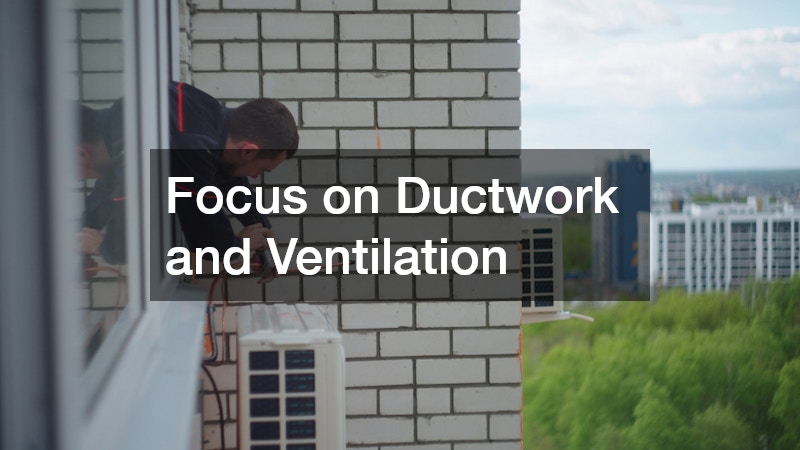
Ductwork is often overlooked, yet it plays a critical role in how efficiently your home distributes air. Leaky or poorly designed ducts can waste a large portion of your system’s output.
Sealing and insulating ducts helps maintain consistent airflow and prevents energy loss. Proper ventilation also ensures that stale air is replaced with fresh air without overworking your system.
If you are upgrading your system, HVAC installers can evaluate your ductwork and recommend improvements that support better efficiency.
In some cases, older systems paired with inefficient ductwork may require AC replacement to achieve noticeable improvements in performance.
Signs your ductwork needs attention:
- Rooms that are difficult to heat or cool
- Excessive dust buildup
- Weak airflow from vents
- Higher-than-expected energy bills
Addressing these issues helps your system operate more effectively.
Upgrade Lighting for Lower Energy Use
Lighting may seem like a small contributor, but it adds up over time. Switching to energy-efficient lighting reduces electricity use without affecting brightness or comfort.
LED bulbs use significantly less energy and last much longer than traditional options. This reduces both energy costs and replacement frequency.
If your home still relies on outdated fixtures, an electrical contractor can help upgrade systems to support modern lighting solutions. Improved wiring and fixture design can also enhance efficiency.
Lighting improvements to consider:
- Replace incandescent bulbs with LED options
- Install dimmer switches for better control
- Use timers or smart lighting systems
- Take advantage of natural daylight whenever possible
These upgrades are simple yet effective ways to lower energy consumption.
Reduce Phantom Energy Drain
Many devices continue to use electricity even when they are turned off. This is known as phantom or standby power, and it can quietly increase your energy bills.
Electronics such as televisions, gaming systems, and kitchen appliances often draw power while idle. Over time, this adds up more than most homeowners expect.
Working with an electrical contractor can help identify areas where energy is being wasted. They may recommend solutions like smart outlets or improved circuit management.
Ways to reduce standby power:
- Unplug devices when not in use
- Use smart power strips
- Turn off electronics completely instead of leaving them on standby
- Group devices for easier control
Reducing phantom energy use is a simple step that delivers steady savings.
Plan Larger Home Improvements Strategically
Major upgrades require careful planning but can deliver long-term savings. Projects like roofing, HVAC updates, and structural improvements should be approached with a clear strategy.
Before starting, request a roof estimate to understand the scope and cost of potential improvements. This helps you compare options and prioritize upgrades that offer the best return on investment.
If your cooling system is nearing the end of its lifespan, combining improvements with ac replacement can maximize efficiency gains. Coordinating projects reduces disruption and ensures systems work well together.
Tips for planning upgrades:
- Set a realistic budget
- Prioritize high-impact improvements
- Work with qualified professionals
- Consider long-term energy savings
Taking a strategic approach helps you avoid unnecessary expenses while improving overall efficiency.
Build Energy-Efficient Habits
Technology and upgrades play a role, but daily habits also impact energy use. Small changes in behavior can lead to noticeable savings over time.
Turning off lights when leaving a room, adjusting thermostat settings, and using appliances during off-peak hours all contribute to lower energy consumption.
Working with HVAC installers or service providers can also provide insights into how to use your systems more effectively. Their recommendations often include simple adjustments that improve performance.
Everyday habits to adopt:
- Use natural light whenever possible
- Run full loads in washers and dishwashers
- Unplug devices when not in use
- Adjust thermostat settings by a few degrees
These actions may seem minor, but they add up over time.
In conclusion, cutting energy costs at home does not require a complete overhaul. With the right mix of upgrades, maintenance, and daily habits, you can reduce expenses while maintaining comfort. Each improvement builds on the next, creating a more efficient and reliable living space. By taking a thoughtful approach, you gain better control over your energy use and long-term savings.